Depth, knowledge & stories
Freediving guides, training science, local spot intel, and stories from our community.
 Training
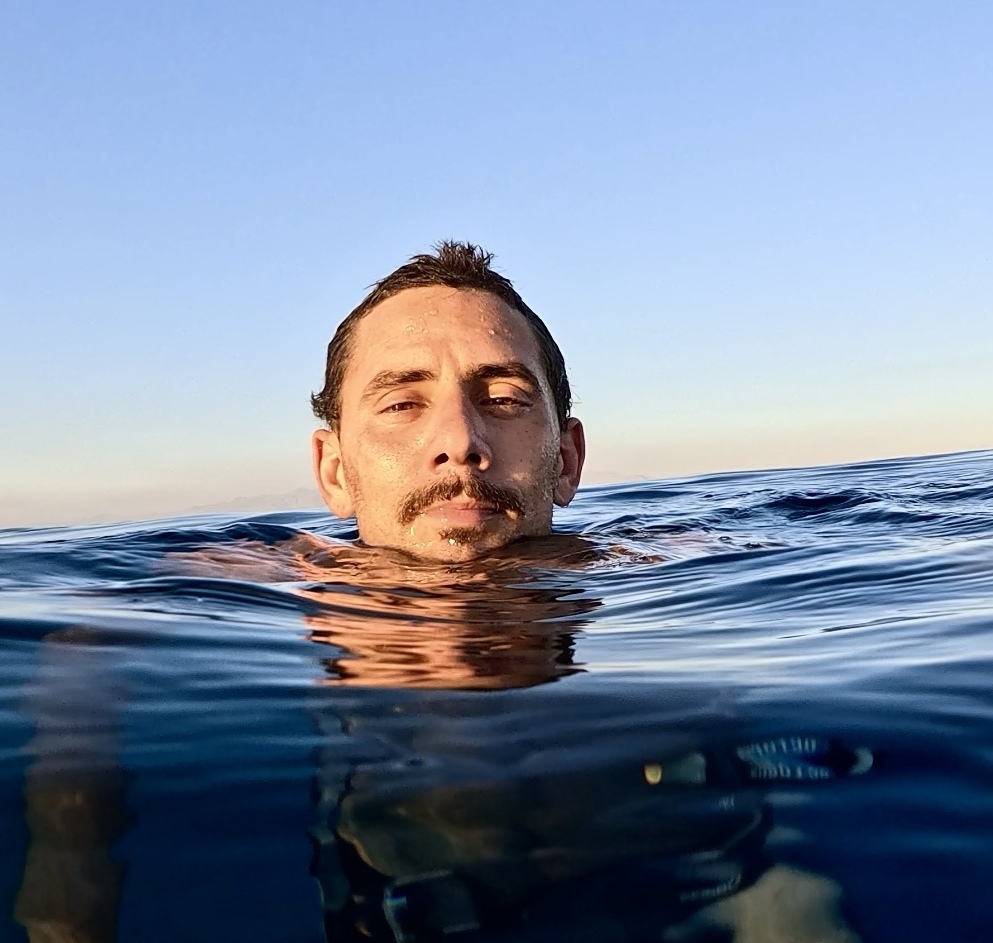
Why Spearfishers Should Get AIDA Certified
Most spearfishers are self-taught — and skipping AIDA training leaves you exposed to the exact failure modes (shallow water blackout, samba, loss of motor control) that kill divers. Here's what proper training closes off.
 Education
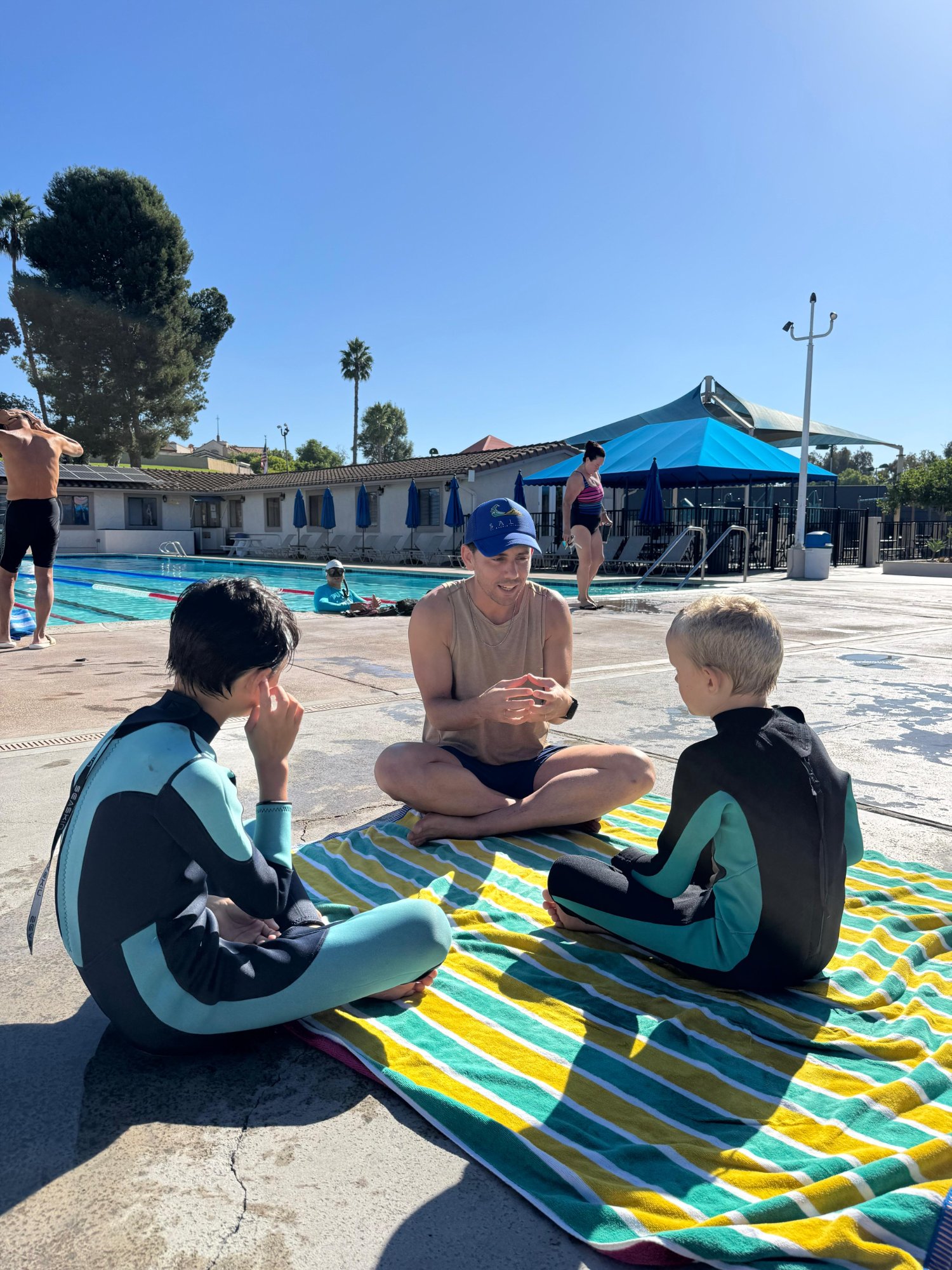
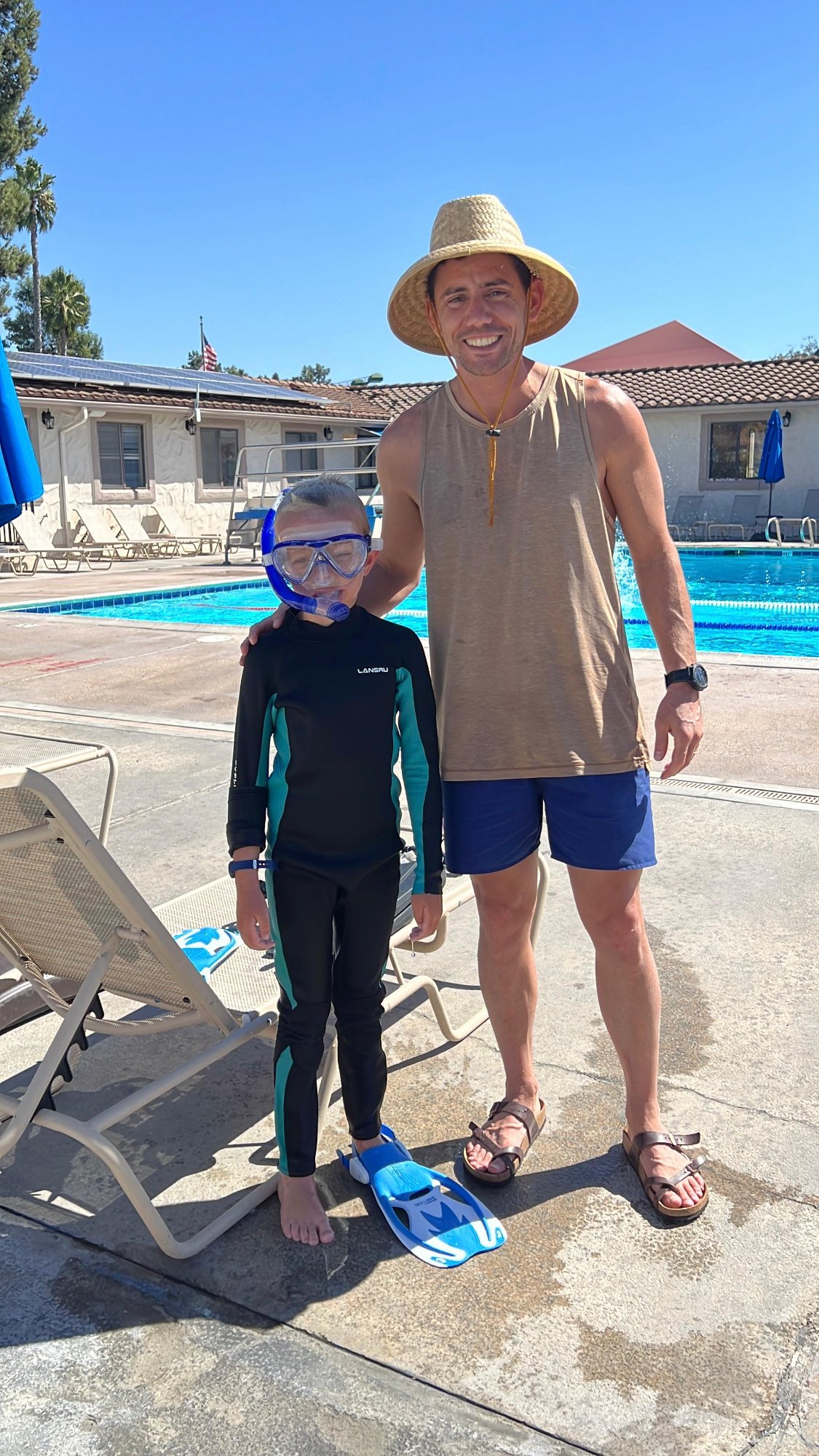
Teaching Kids to Freedive: The Camp Garibaldi Philosophy
Most ocean camps teach surfing or swimming. Camp Garibaldi teaches breath-first water confidence — and the difference shows up in everything from how kids enter the water to how they react when a wave breaks over their head.
 Training
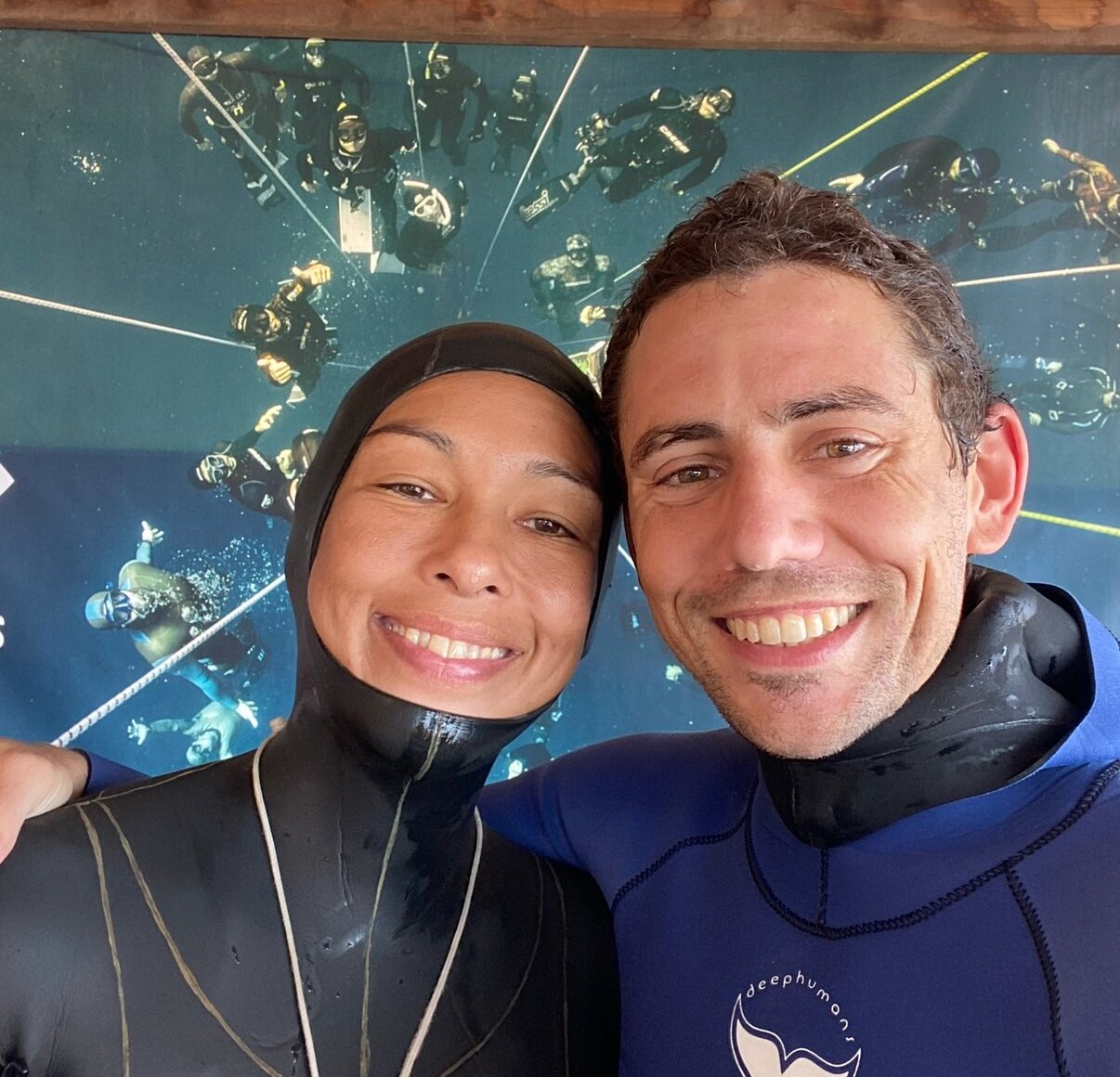
How to Prepare for AIDA 2 in San Diego: A 4-Week Plan
A four-week prep protocol that gets you ready for AIDA 2 — swim test, breath-hold, equalization, and the mindset for your first ocean dive. Built around the current AIDA standards: 2-minute static, 40m dynamic, 12m depth.
 Education
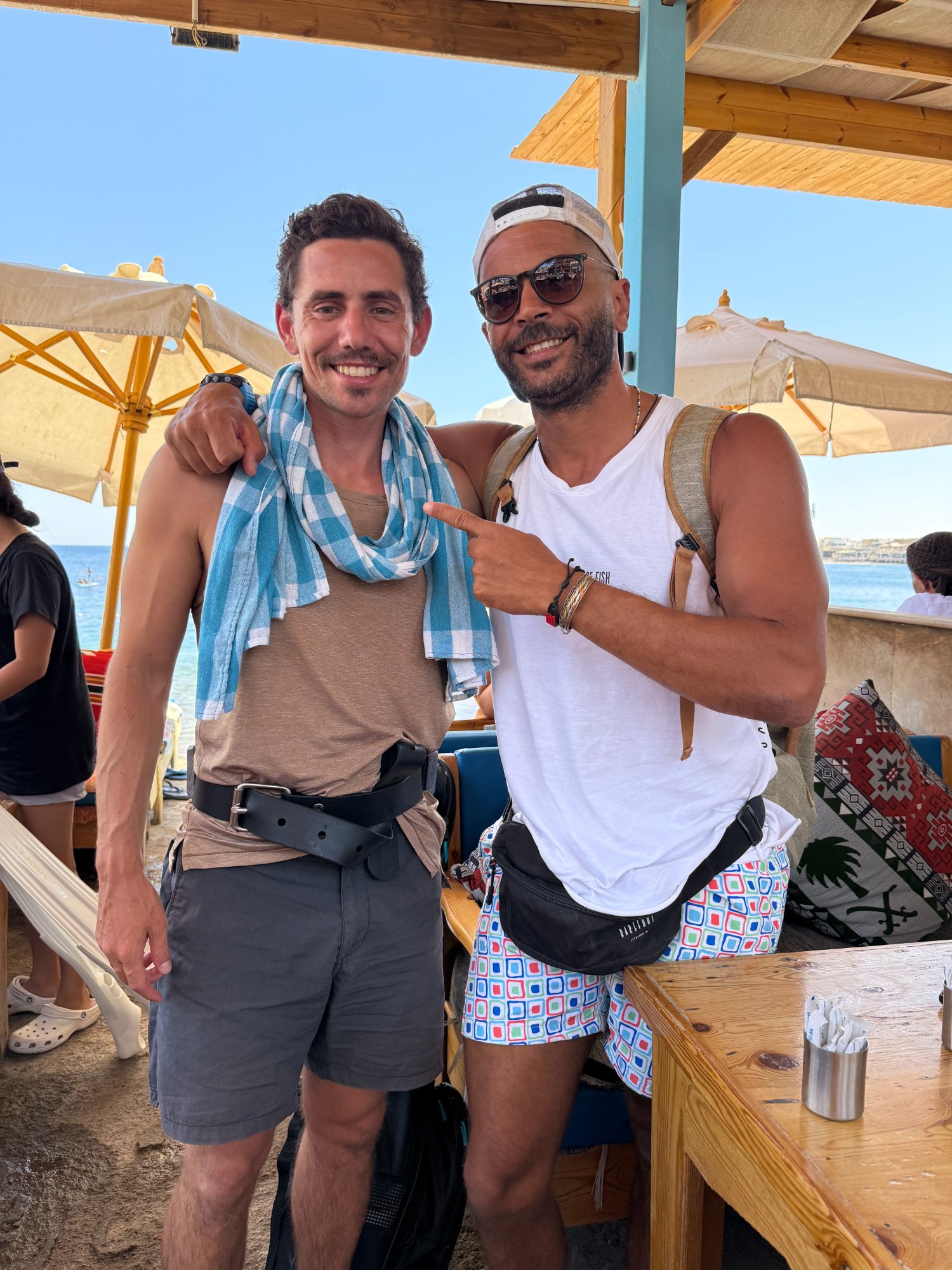
What Makes a Good Freediving Instructor
'Freediving instructor' is an unregulated title. Agencies vary, credentials vary, and what an instructor actually does in the water varies even more. Here's how to vet one — the credentials that matter, the standards that exist, and what to look for on course day.
 Training
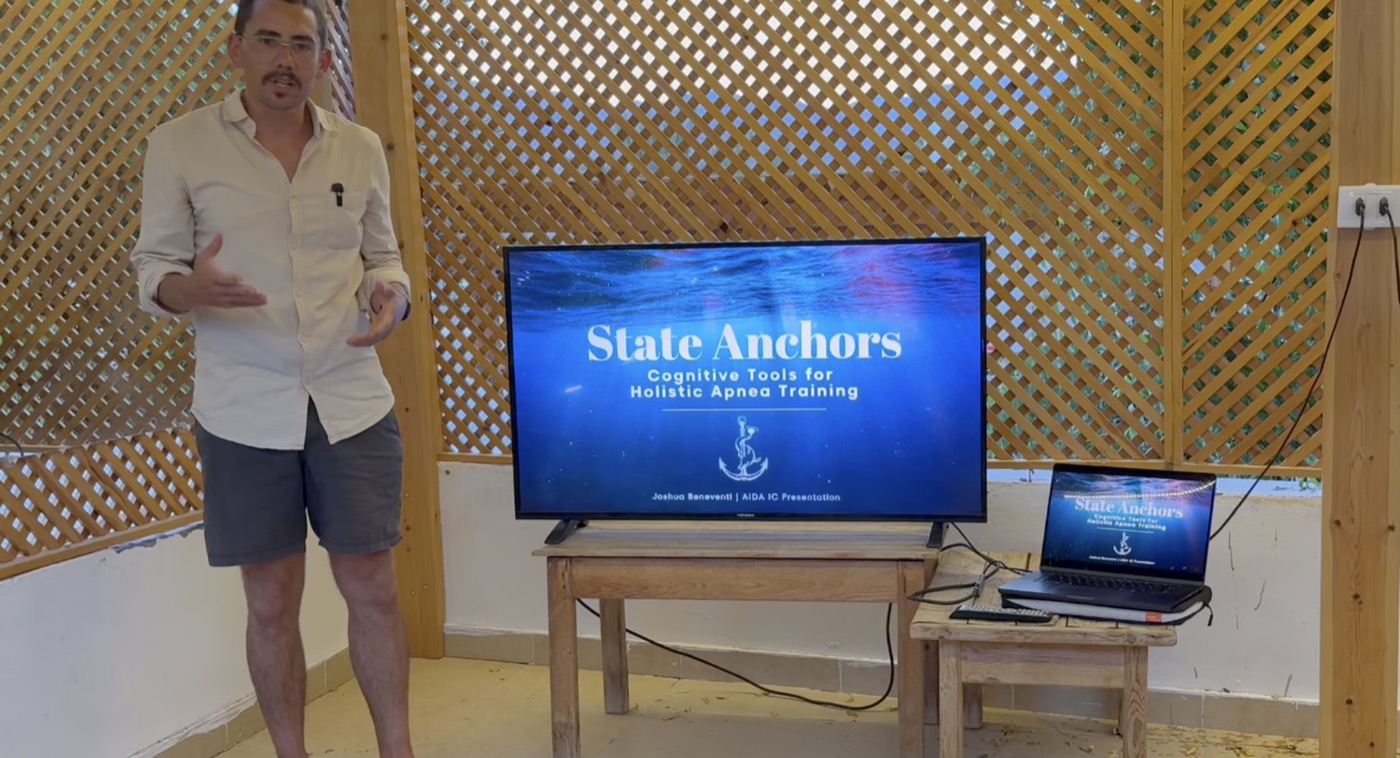
State Anchors: What Buddhist Monasteries Taught Me About Freediving
The cognitive tool that turned 30 minutes of relaxation into 30 seconds. How ancient contemplative practices and modern neuroscience converge in freediving mental training.
 Beginner Guide
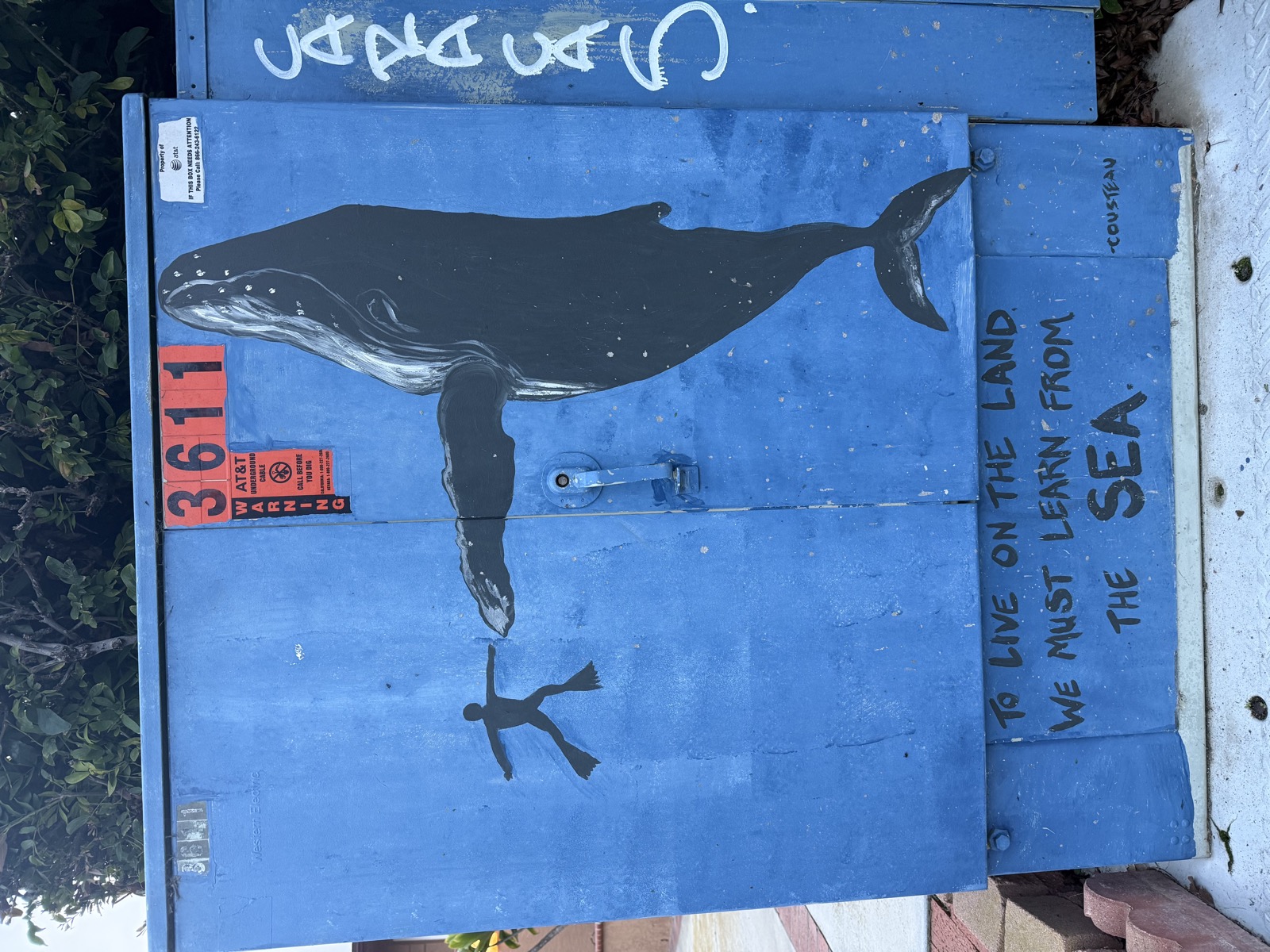
The Complete Beginner's Guide to Freediving in La Jolla
Everything you need to know about freediving in La Jolla, San Diego. Gear, best dive spots, safety basics, and what to expect on your first freedive.
 Training
Breath Hold Training for Surfers: Why Every Wave Rider Should Train Apnea
How freediving breath hold training improves surf survival, confidence in heavy water, and hold-down tolerance. A practical guide for San Diego surfers.
Local Guide5 Best Freediving Spots in San Diego (and How to Dive Them Safely)
A local freediver's guide to the best freediving spots in San Diego — La Jolla Cove, the Canyon, Point Loma kelp beds, and more.
Training ScienceAIDA Certification Levels Explained: Which Course Should You Take?
A detailed breakdown of AIDA 1, 2, 3, and 4 freediving certifications — what you'll learn, the requirements, and which level is right for your experience.
 Training Science
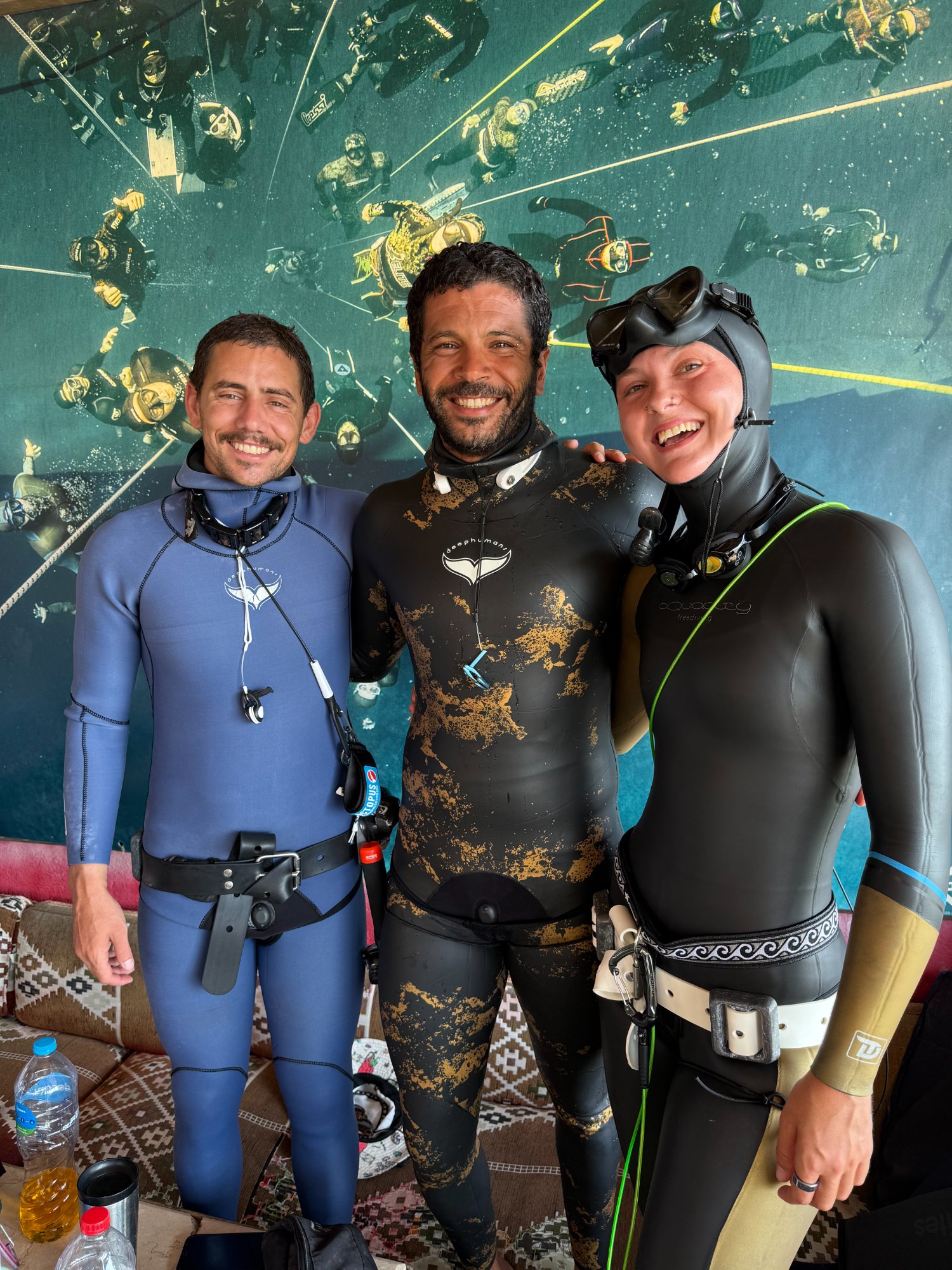
Freediving Disciplines Explained: STA, DYN, CWT, FIM and More
A complete guide to every competitive and training freediving discipline — what the abbreviations mean, how they work, and which ones you'll learn in your AIDA course.
ScienceThe Mammalian Dive Reflex: Your Body's Built-In Superpower for Freediving
Your body has an ancient survival mechanism that activates the moment your face hits the water. Understanding the mammalian dive reflex — bradycardia, vasoconstriction, blood shift, and splenic contraction — is the key to understanding why freediving works.
 Training
CO2 Tolerance Training: The Complete Guide for Freedivers
Carbon dioxide tolerance is what separates a 30-second breath hold from a 3-minute one. This guide covers the science behind CO2, how training tables work, the no-contraction approach, and a practical dry training program you can start today.
 Training
7 Dry Training Exercises That Will Transform Your Freediving
You don't need to be in the water to become a better freediver. These 7 dry training exercises — from diaphragm stretches to walking apneas to intercostal mobility work — build the physical foundation that makes depth and duration possible.
ScienceWhat Happens to Your Body During a Freedive: A Minute-by-Minute Breakdown
From the moment you take your last breath to the moment you surface, your body goes through a remarkable sequence of physiological changes. Here's exactly what happens during a freedive — and why understanding it makes you a better diver.
 Culture
The Big Blue: The Film That Made a Generation Want to Dive
Luc Besson's 1988 masterpiece Le Grand Bleu turned freediving from an obscure sport into a cultural obsession. Why every freediver should watch it — and what it gets right about the call of the deep.
TrainingThe Complete Guide to Equalization for Freediving
Equalization is the single most important technical skill in freediving — and the one that limits most divers' depth more than breath-hold, fitness, or fear. This guide covers Valsalva, Frenzel, Mouthfill, and BTV, with drills you can practice on land today.
EducationFreediving Certification Agencies Compared: AIDA, Molchanovs, PADI, SSI & FII
An honest comparison of the five major freediving certification agencies — AIDA, Molchanovs, PADI, SSI, and FII. Course structure, recognition, depth requirements, costs, and which one is right for you.
 Science
Why Singers Make Natural Freedivers
The muscles that control your voice are the same muscles that control equalization. Soft palate, glottis, diaphragm, intercostals — singers train them all without knowing they're building a freediver's toolkit.
TrainingStretching for Freediving: A 4-Week Flexibility Plan
A four-week stretching protocol built for freedivers — rib mobility, hip openers, thoracic spine, and the small unglamorous mouth and jaw work that actually makes equalization easier. Twenty minutes a day, no equipment.
 Training
Building a 4-Minute Breath Hold: A Static Apnea Progression
A structured 8-week progression from a 2-minute static breath hold to 4:00. CO2 tables, O2 tables, max attempts, and the relaxation work that actually moves the needle. Based on Pelizzari's training principles and current research.
TrainingCross-Training for Spearfishing: A Freediver's Approach
Most spearos train by going spearfishing more. That works to a point, then plateaus. This is the freediving-anchored cross-training approach — strength, breath-hold capacity, surface recovery, and the mental work that closes the gap between a recreational spearo and a confident one.
ScienceWhat Buddhist Monks and Freedivers Have in Common
A look at the shared physiological terrain between concentration meditation and freediving — the autonomic nervous system, attention regulation, and why both practices converge on the same set of mental skills.
ScienceWhat Recent Neuroscience Says About Breath-Hold Diving: 2021–2024 Research
A synthesis of the freediving and breath-hold neuroscience research published from 2021 to 2024 — what we now know about the brain at depth, autonomic regulation, EEG signatures, expert-novice differences, and where the field is heading.
ScienceThe Deep Dive Paradox: Why Extreme Breath-Hold Conditions May Have Therapeutic Value
A research-grounded look at what actually happens to the human body and brain at 20–30 meters underwater on one breath — the simultaneous parasympathetic dominance and sympathetic activation, the 93–165% cerebral blood flow increase, and why these conditions may have therapeutic applications for trauma, anxiety, and neurological recovery.
 Education
AIDA 1 in San Diego: What You Get From the Half-Day Course
A complete guide to the AIDA 1 introductory freediving course at LJFC — what you learn in half a day, who it's for, how it differs from AIDA 2, and why it's the right starting point for some students and the wrong one for others.
Local GuideLa Jolla Shores Freediving: A Year-Round Site Guide
The most complete guide to freediving at La Jolla Shores — conditions month by month, the canyon edge, the kelp forests, where to enter, where to dive, what to expect from each season, and how local knowledge separates the safe diver from the unlucky one.
SciencePranayama and Apnea: What Yoga Got Right About Breath
A look at the ancient pranayama practices described in Patanjali's Yoga Sutras and what modern freediving physiology now reveals about why they work. Not a wellness piece — a physiological one. What 2,500 years of breath discipline mapped onto mechanisms science is only now describing.
TrainingFrenzel Equalization at Home: Dry Training Drills That Actually Work
Most students fail their first deep dive on equalization, not breath hold. Here's how to train Frenzel equalization on dry land — the tongue position, the soft palate isolation, the bubbler trainer, and the drills that get the technique automatic before you're at 10 meters with seven seconds to figure it out.
Dive conditions. In your inbox.
Get dive conditions, seasonal species alerts, upcoming courses, and weekly dive schedules. The stuff that matters — nothing that doesn't.
Free to join. Unsubscribe anytime.