The ocean camp that starts from the inside out.
Breath skills, ocean wonder, real freediving. Kids leave calmer, more curious, and more at home in the water.
Most ocean programs give kids exposure.
Camp Garibaldi builds competence — the kind that lasts.
The difference: a child who's been near the ocean versus a child who knows how to read conditions, manage their breath, and make their own go/no-go call. That's a skill set for life. And along the way, kids have the summer of their lives.
in the water
in the reserve
depth range
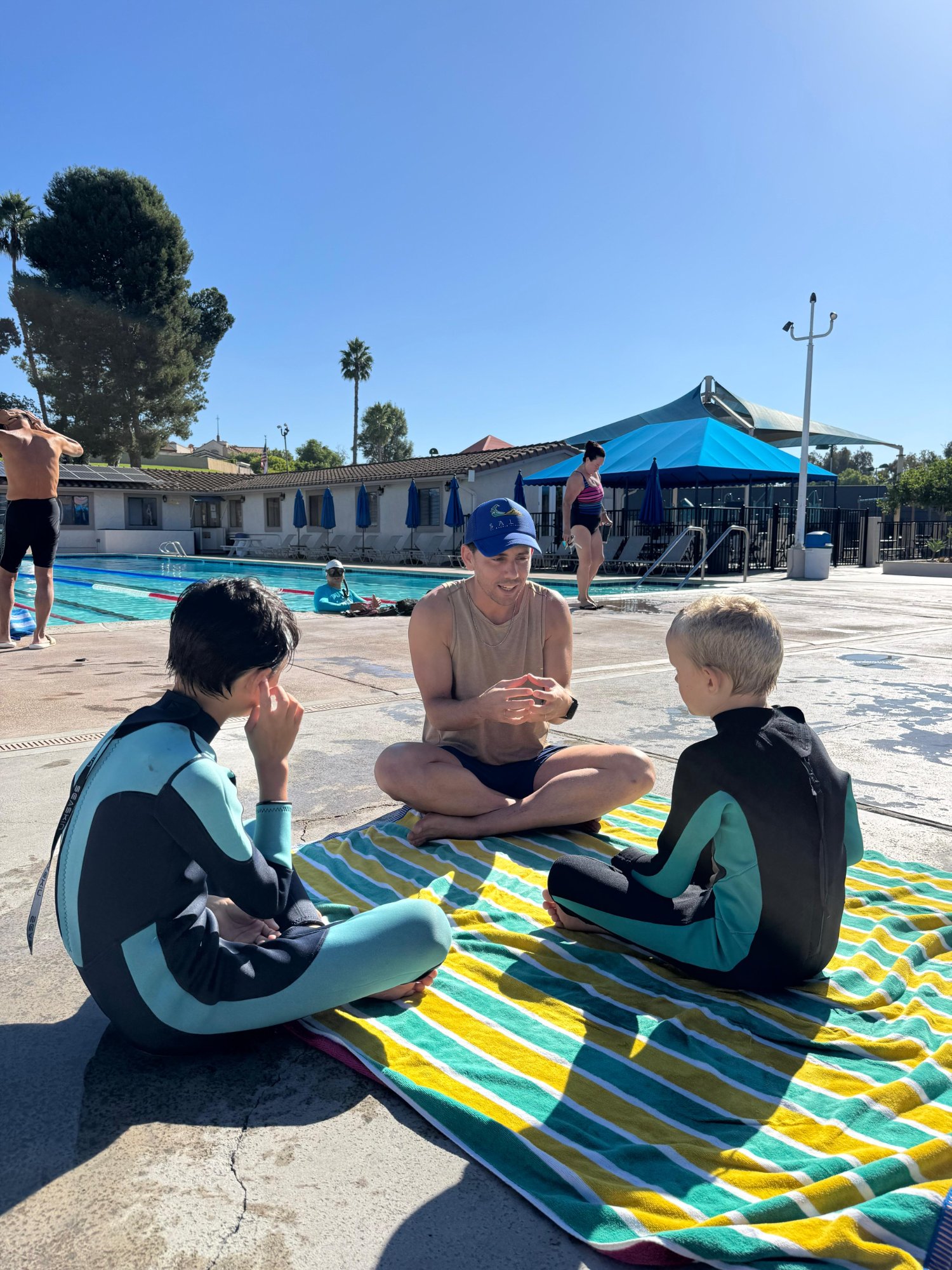
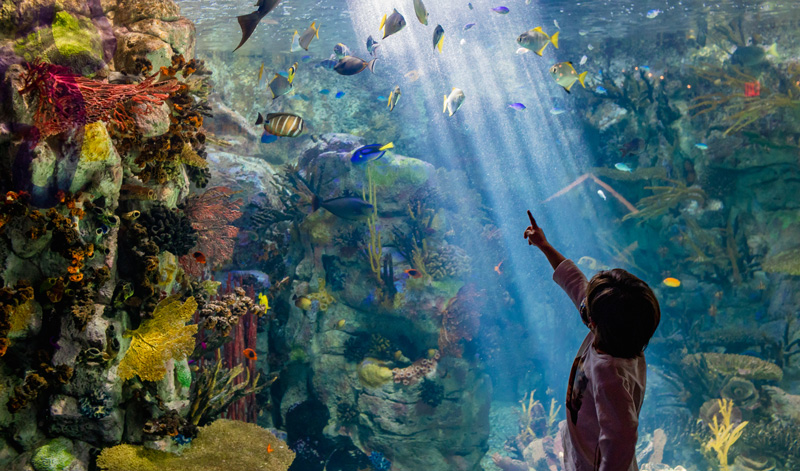
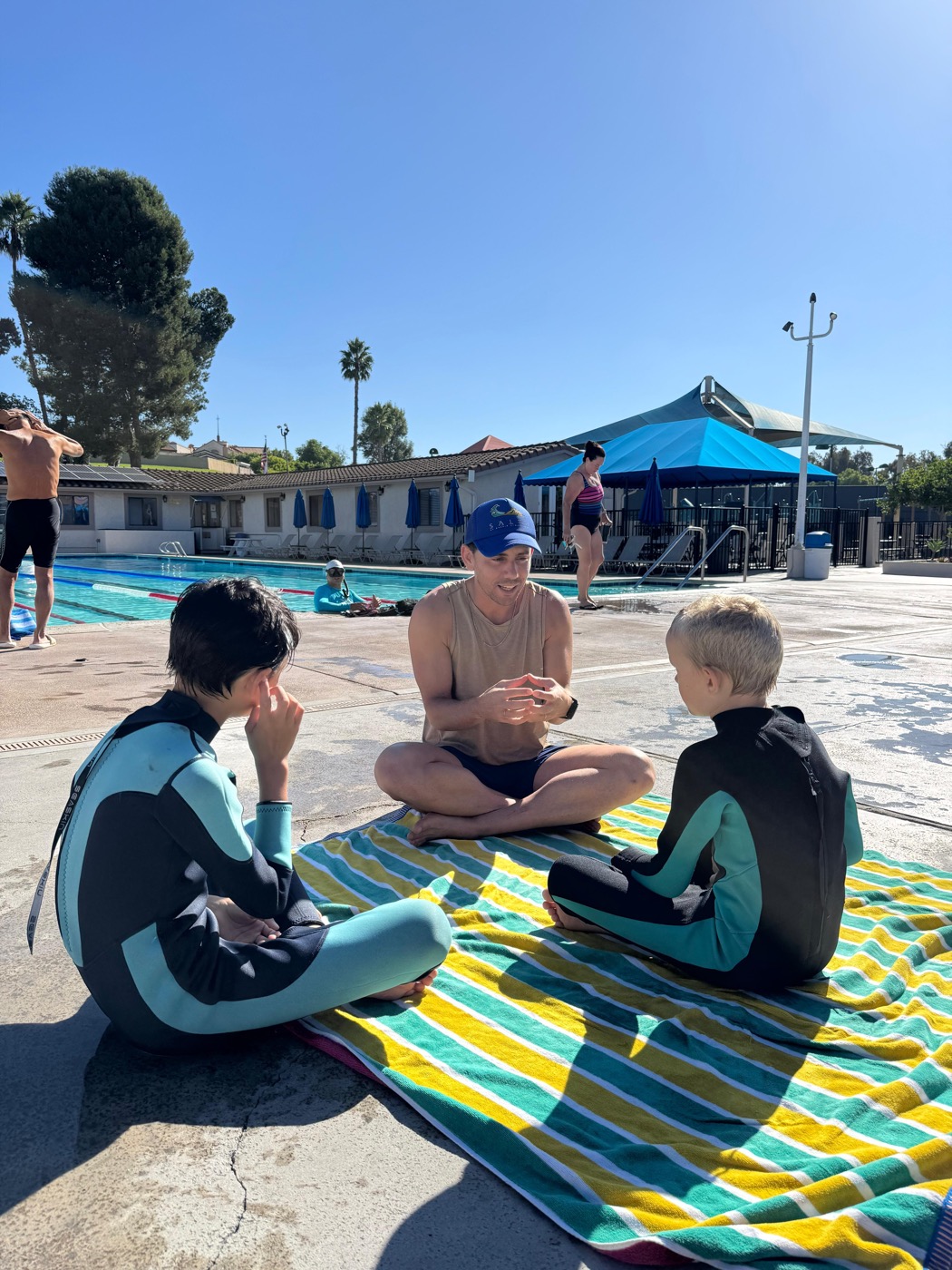
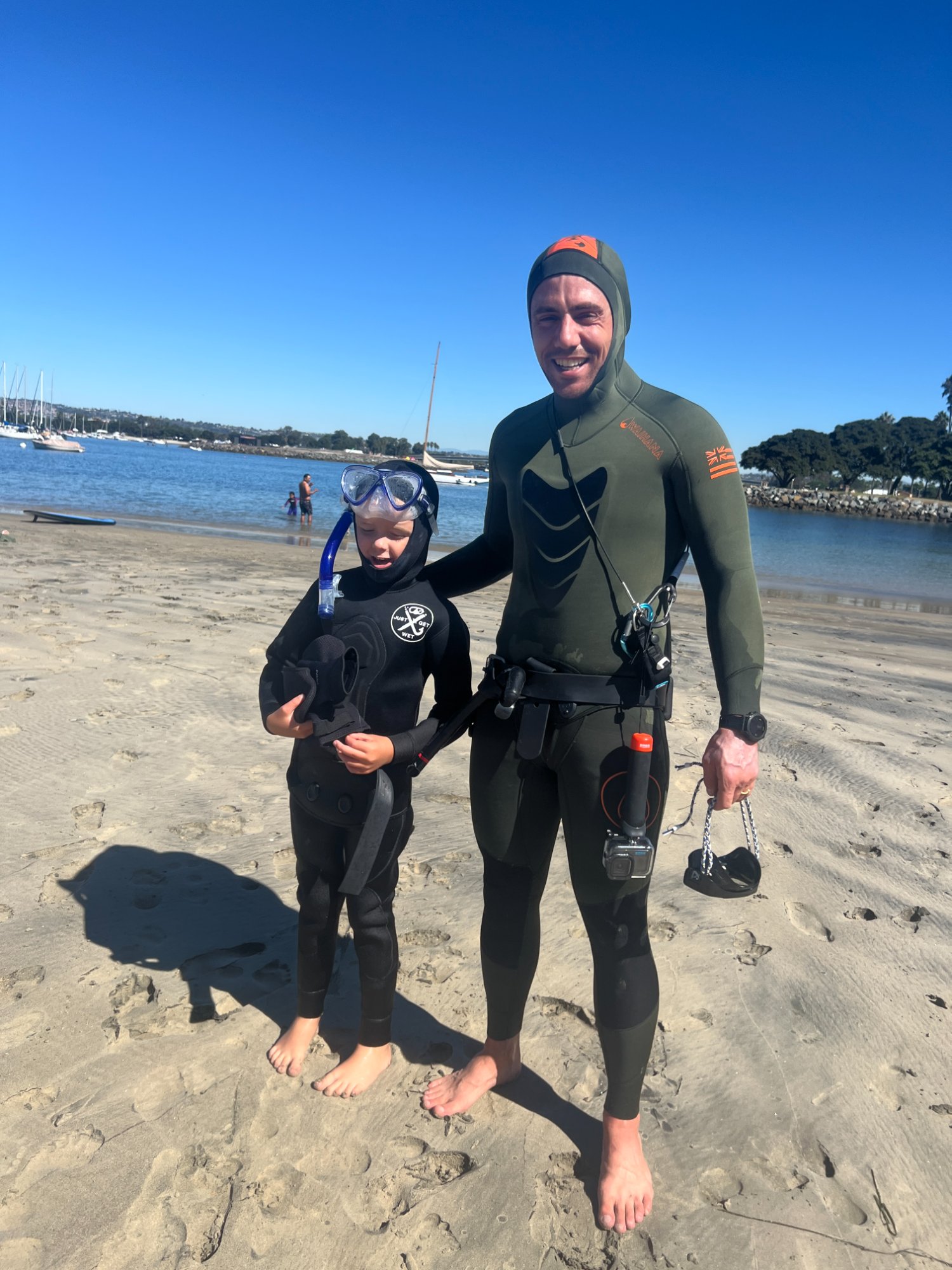
Kids love the first time they equalize and feel the pressure click. The garibaldi that follows them around like a puppy. Finding a nudibranch no adult saw. Showing their parents a species they identified themselves. This is the stuff they'll still be telling stories about at Thanksgiving.
Breath first. Water second. Ocean after.
Every session starts on land — breathing, conditions briefings, dive reflex experiments. By the time kids enter the water, they already have the tools to handle what they find there.
Breath & composure
Diaphragmatic breathing, calm-body cues, the mammalian dive reflex — kids learn how to settle before they're asked to trust the water. On Day 1 they feel their own body respond to a cold cloth on the face — the same reflex seals and whales use.
From pool to reserve
Pool to shallows to open water. Every step builds on demonstrated competence, not just courage. Mixed-age groups (8–14) work at their own depth — no one gets pushed past their edge.
Read the ocean like a local
Students pull live Scripps buoy data every morning — wave height, tide, water temperature. By Day 5, they make the go/no-go call themselves and explain why.
What a week looks like.
Sample Curriculum- Dive reflex experiment — measure your own heart rate response
- Diaphragmatic breathing mechanics
- Baseline breath-hold (timed, buddied)
- Live conditions briefing from Scripps buoy
- Orientation swim at the sand dollar field
- Frenzel equalization — dry practice + in-water
- Duck dives, first breath-holds to 10–15 ft
- Mammalian dive reflex — how seals, whales, and humans share the same physiology
- Species: leopard sharks, garibaldi, bat rays
- Tidepool exploration at low tide
- Kelp anatomy from wrack line specimens
- Food web modeling in journal
- Kelp forest freedives to 15–25 ft
- Species: sheephead, nudibranchs, sea stars
- Canyon geology and upwelling
- Canyon rim dives to 20–35 ft
- Octopus, fringeheads, gorgonians
- Feel and describe the thermocline
- Final breath-hold vs. Day 1
- Independent conditions assessment
- Buddy-paired species survey
- Guided beach cleanup
- iNaturalist contributions + graduation
The same rhythm, every day.
Kids settle in faster when they know what's next. The only thing that changes day to day is what they're learning.
- 9:00 – 9:15Arrival & free playKids drop in, meet the group, settle on the sand.
- 9:15 – 9:45Welcome circleName the day's theme, set intentions, preview what's ahead.
- 9:45 – 10:15Movement & breathMobility, diaphragmatic breathing drills, CO₂ tolerance work.
- 10:15 – 10:45Snack & ocean briefShared snack while reading the Scripps buoy data and naming conditions.
- 10:45 – 12:30Water session IThe main water adventure — pool, shallows, or reserve depending on the day.
- 12:30 – 1:15Lunch & journalingCold lunch, field journal, species log.
- 1:15 – 2:30Water session IISecond swim — longer in the water, buddy pairs, more to explore.
- 2:30 – 3:00Closing circleReflect, log the day, set the hook for tomorrow.
All sessions 9am–3pm · Ages 8–14 · Field journal included
Sample curriculum — actual content varies with conditions, group readiness, and site.
Camp Dates & Pricing
Summer 2026 has wrapped. Join the early list and get first pick of next summer's sessions.
All sessions 9am–3pm · Ages 8–14 · Small groups · La Jolla Shores
Safety isn't supervision. It's knowledge.
There's a difference between a child who's safe because someone's watching, and a child who's safe because she understands the ocean well enough to make good decisions in it for the rest of her life. Both matter. We do both.
Students leave knowing how to read a marine forecast, how their body responds to cold water and depth, and how to assess conditions before they enter. That's a skill set — not a safety rule.
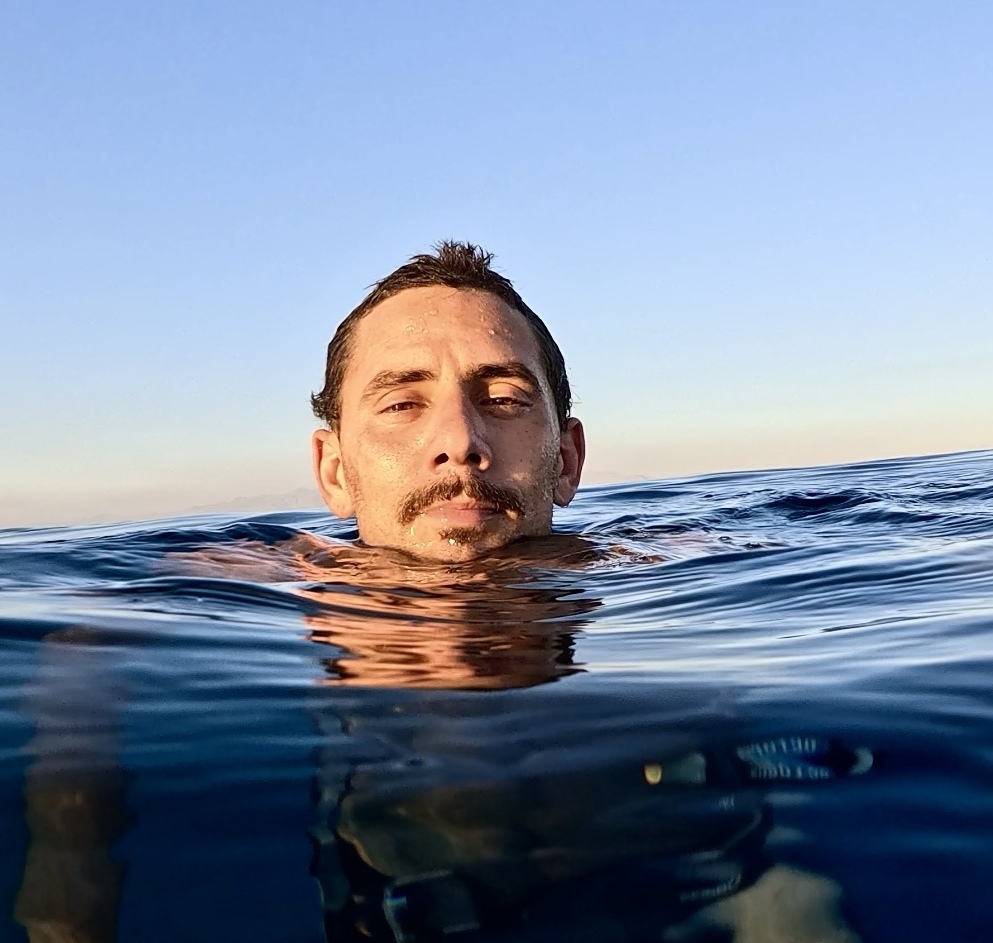
Joshua's great-grandfather was an Azorean whaler who settled in San Diego for tuna fishing. His grandfather freedived for abalone in La Jolla. He's the founder of La Jolla Freedive Club and San Diego's only AIDA-certified freediving instructor for both adults and kids.
He trained across four countries — Malaysia, Egypt, Mexico, and the US — before bringing the certification home to the same coastline his family has worked for three generations. Camp Garibaldi is the youth expression of that lineage.
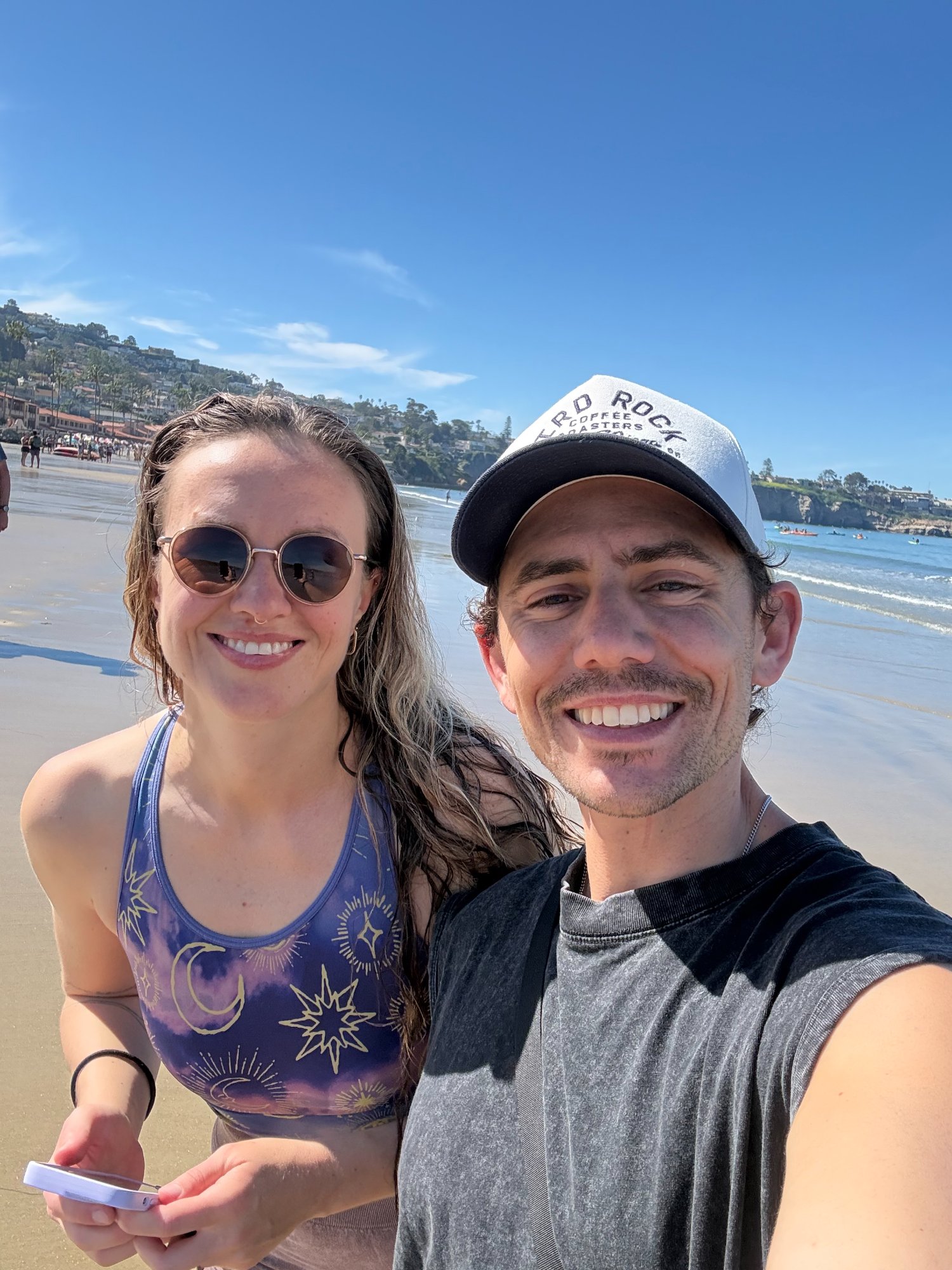
Lena runs Ocean Flow — the Saturday morning session at La Jolla Shores that anchors the LJFC community. She's been diving at the canyon long enough that she didn't just join the program, she helped shape it. Her son trained with Camp Garibaldi before the first session launched.
As a homeschool parent, she's the first call for families with questions about the camp — what to expect, what kids need to bring, and what the week actually looks like day to day. Message Lena →
Camp ends. The community doesn't.
Camp Garibaldi is a door into the La Jolla ocean community. Same kids show up Saturdays. Parents find each other. La Jolla Shores becomes theirs.
Saturday Sessions
Weekly open-water sessions at the canyon. Free with Ocean Flow, $25 drop-in. Camp alumni always welcome.
The Pipeline
Graduates aged 13–14 are eligible for Discover Freediving (AIDA 1). From ocean camp to international certification — one path deeper.
Citizen Science
Every species observed is logged to iNaturalist with GPS coordinates. Campers become published contributors to the La Jolla marine record.
Scholarship Access
We operate scholarship spots for families who live near the coast but haven't had access to what it offers.
What families ask us first.
Ready to go deeper?
Small groups fill quickly. Reserve your student's spot — or reach out with questions.