But if you've never done it before, the idea of holding your breath and diving underwater on a single breath can feel intimidating. This guide covers everything you need to know to get started — no experience required.
What Is Freediving, Exactly?
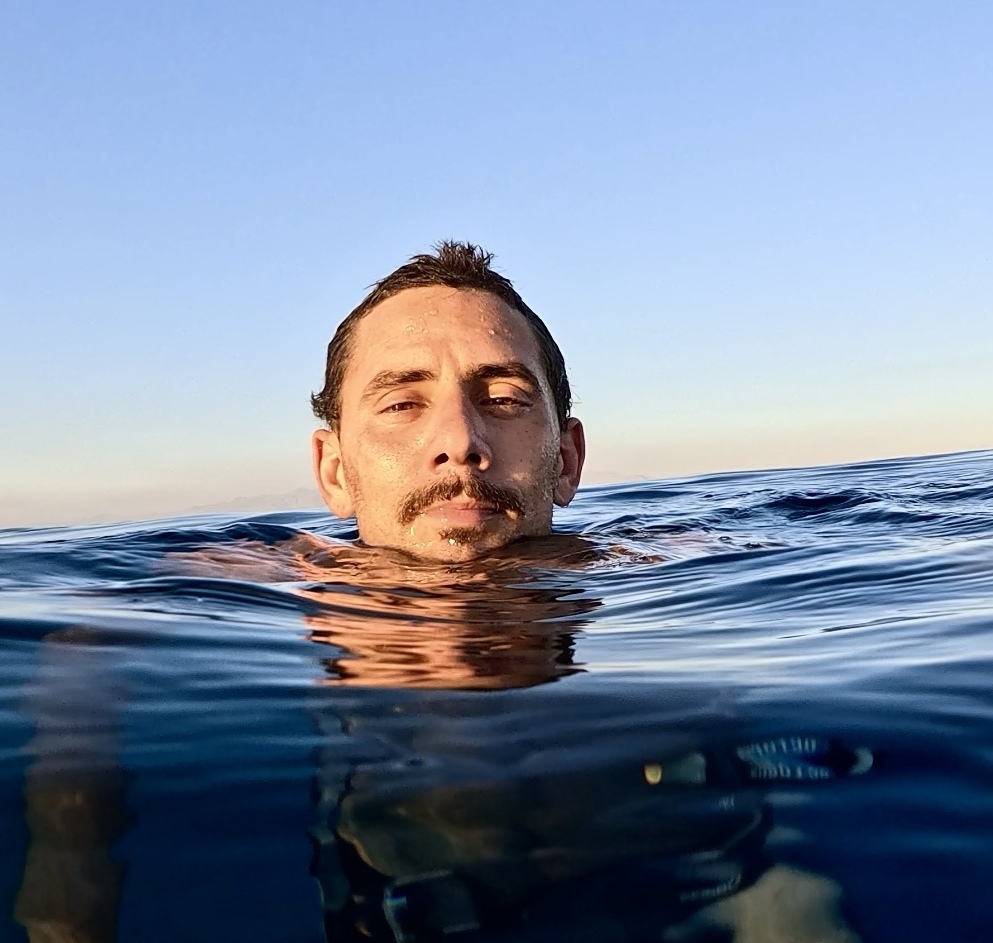
Freediving is underwater diving on a single breath — no scuba tank, no regulator, just you and the ocean. It ranges from casual snorkeling-depth dives to competitive athletes reaching 100+ meters on one breath.
For most people getting into it here in San Diego, freediving means diving to 5–20 meters to explore kelp forests, swim with leopard sharks, or just experience that quiet, weightless feeling you can't get any other way.
It's simpler than scuba (less gear, less setup time, more freedom of movement), but it requires specific training in breathing technique, equalization, and safety protocols.
Why La Jolla Is Perfect for Learning
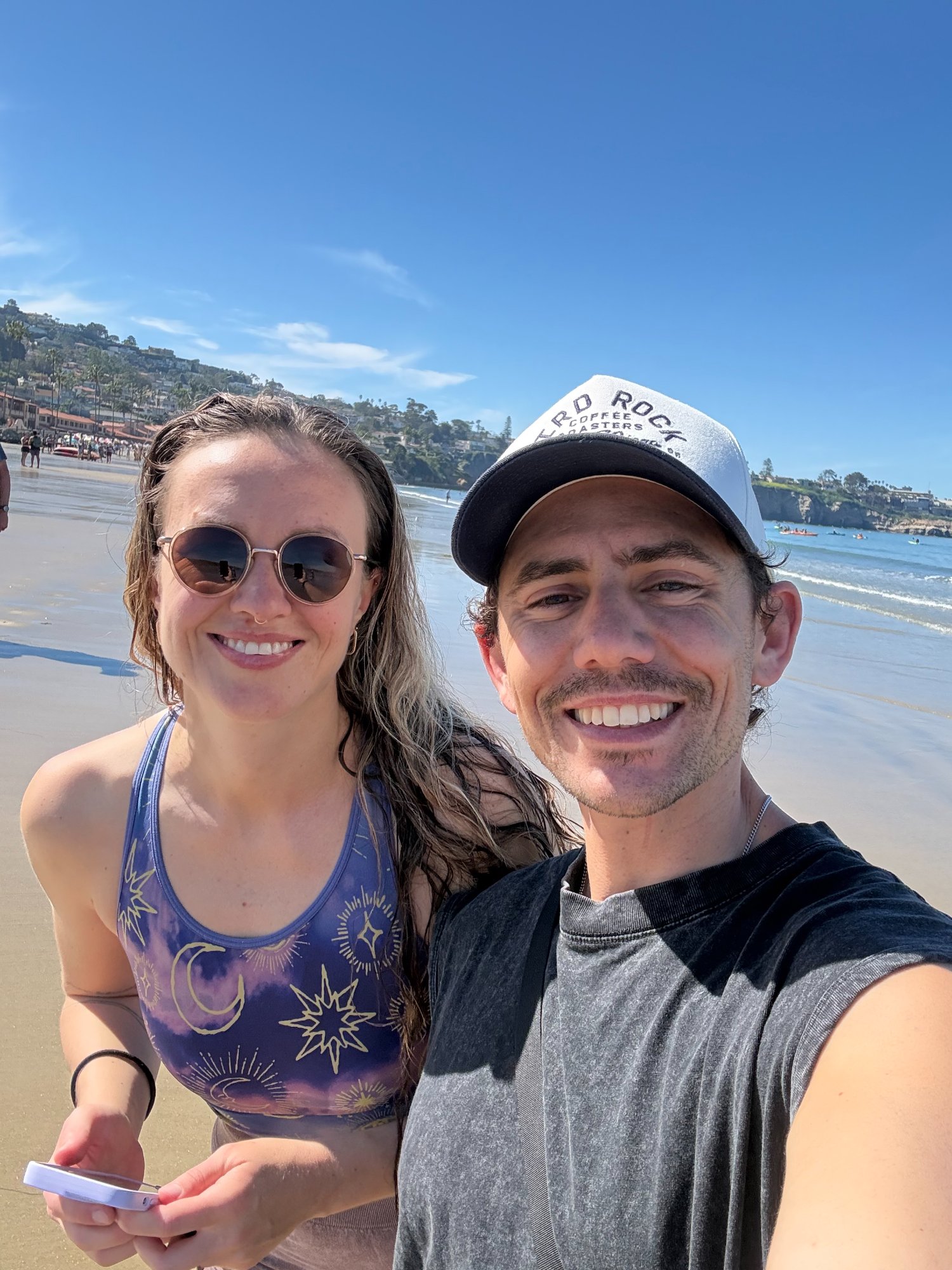
La Jolla's coastline is uniquely suited for freediving at every level. The La Jolla Ecological Reserve — which includes the Cove, the underwater caves, and the Canyon — is a protected marine area with visibility that regularly hits 30+ feet and water temperatures that stay swimmable year-round with a proper wetsuit.
What makes it special for beginners is the gradual depth progression. You can start in 10-foot water at the Cove, move to 30-foot reef dives, and eventually work your way to the Canyon wall where the bottom drops to 70+ feet — all within a quarter mile.
The marine life alone makes it worth it. Leopard sharks (seasonal), garibaldi, sea lions, bat rays, and dense kelp forests that look like underwater cathedrals when the light comes through.
What You Need to Get Started
Gear Basics
Freediving gear is minimal compared to scuba, but using the right equipment makes a huge difference in comfort and performance:
- Mask: A low-volume freediving mask sits closer to your face than a snorkel mask, which means less air needed to equalize and better peripheral vision. Cressi and Omer make great starter masks in the $40–60 range.
- Snorkel: A simple J-tube snorkel without purge valves. You want it basic and streamlined.
- Fins: Long-blade freediving fins are more efficient than short scuba fins. For beginners, plastic-blade fins (like the Cressi Gara 3000) are affordable and work great.
- Wetsuit: In La Jolla, a 3mm wetsuit works for summer (68–72°F) and a 5mm for winter (58–64°F).
- Weight belt: A rubber weight belt with lead weights to offset wetsuit buoyancy.
Physical Preparation
You don't need to be an elite athlete to freedive. You need to be a comfortable swimmer, able to tread water, and reasonably fit. The most important physical skill — and the one most people underestimate — is relaxation. The more relaxed you are in the water, the longer your breath hold and the more enjoyable your dives.
Your First Breath Hold: What to Expect
The biggest surprise for most beginners is how long they can actually hold their breath with proper technique. Most people walk in thinking they can hold for 30–45 seconds. With guided breathing preparation and relaxation technique, that same person typically hits 2–3 minutes on their first session.
Here's what happens physiologically: your body's urge to breathe isn't triggered by lack of oxygen — it's triggered by rising CO2 levels. Through proper breathing drills and relaxation, you learn to stay calm through those early contractions. With training, your tolerance builds quickly.
The first time you hold your breath for two minutes, you realize how much your mind was the limiting factor, not your lungs.
Safety: The Non-Negotiable Part
Freediving is safe when done correctly. It's dangerous when done casually or alone. The single most important safety rule in freediving is simple: never dive alone.
Shallow water blackout — losing consciousness from oxygen depletion, usually during or right after surfacing — is the primary risk in freediving. It's almost entirely preventable with proper buddy protocols: one person dives, the other watches from the surface, ready to assist.
This is exactly why we emphasize taking a real course rather than just watching YouTube videos. The safety training alone is worth the investment.
Safety protocol — every dive, every diver
How to Get Started in La Jolla
Step 1: Take an AIDA 1 Course
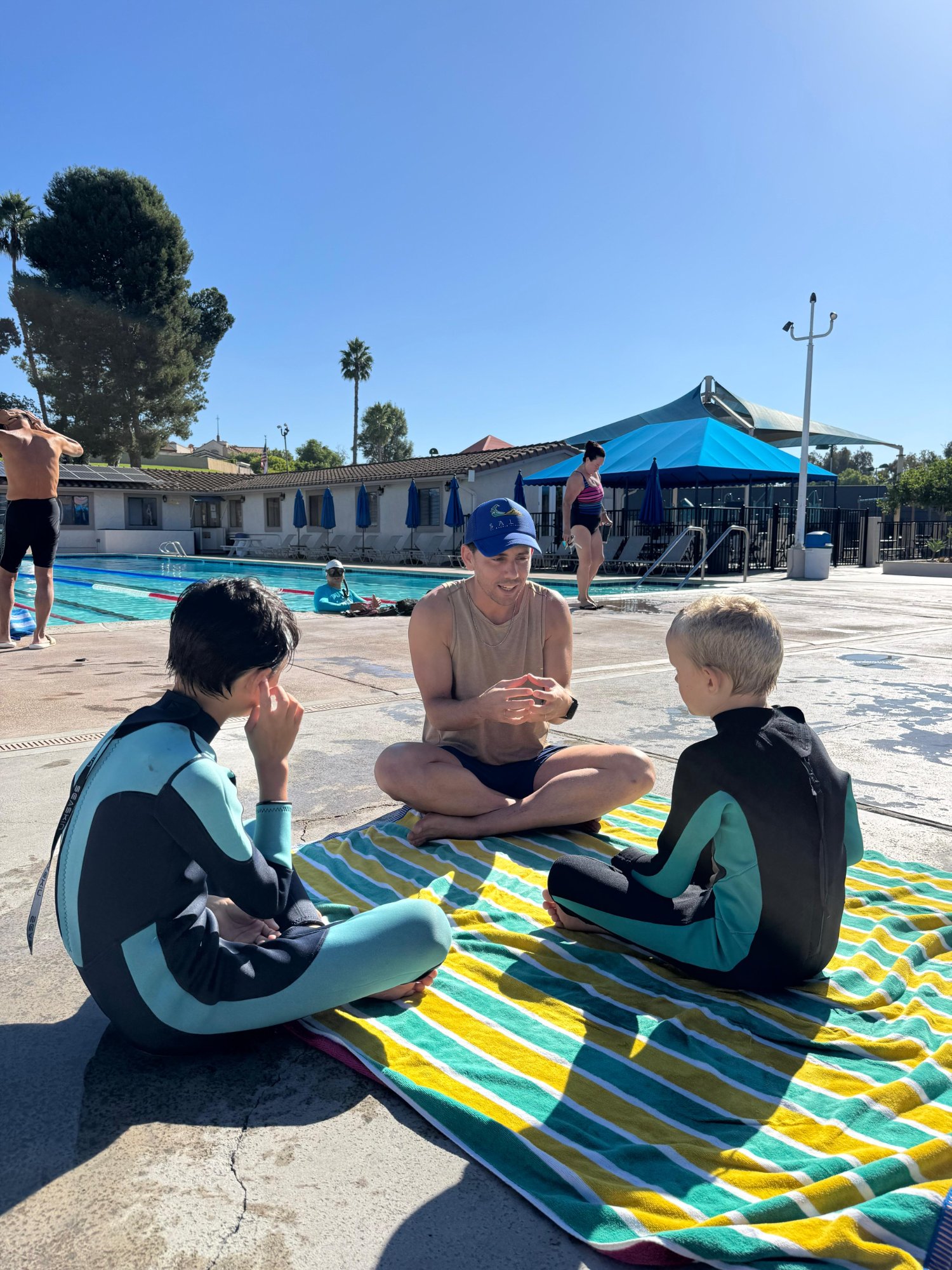
A one-day introduction where you learn basic breathing technique, try your first breath holds in a pool, and get a feel for whether freediving clicks with you. You walk away with your first AIDA certification.
Step 2: Take an AIDA 2 Course
The AIDA 2 is the international standard for beginner freediving certification. Over 2–3 days, you'll learn theory, practice in a pool, and complete open water dives. You'll graduate certified to dive to 20 meters with a buddy.
Step 3: Join the Community
Once you're certified, the real fun starts. Join weekly group dives, find regular dive buddies, and start exploring La Jolla's underwater world with experienced freedivers who know the best spots and conditions.
Saturday group freedive at La Jolla Shores