The ocean is 20 minutes away. For some kids, it might as well be another planet.
ODI has spent two decades getting underserved San Diego kids into ocean science. LJFC teaches kids to be in the ocean — with breath control, freediving, and surf survival. But the deeper work is what breath-hold training does off the water: nervous system regulation, composure under pressure, and the kind of courage that only comes from facing real challenge. Together, we could build the bridge from City Heights to the waterline — and to a different relationship with fear.
“Shara Fisler started ODI from a kayak shack in Mission Bay because she realized she could make a bigger difference creating science opportunities for young people than doing science herself. I grew up in Point Loma, four blocks from the water, and never thought about ocean access because I always had it. When I started teaching freediving to kids, I realized most San Diego children — even ones who live 20 minutes from the beach — have never put their face underwater in the ocean. That's not a skill gap. That's an access gap. ODI has been working on that gap for 25 years. I want to help.”
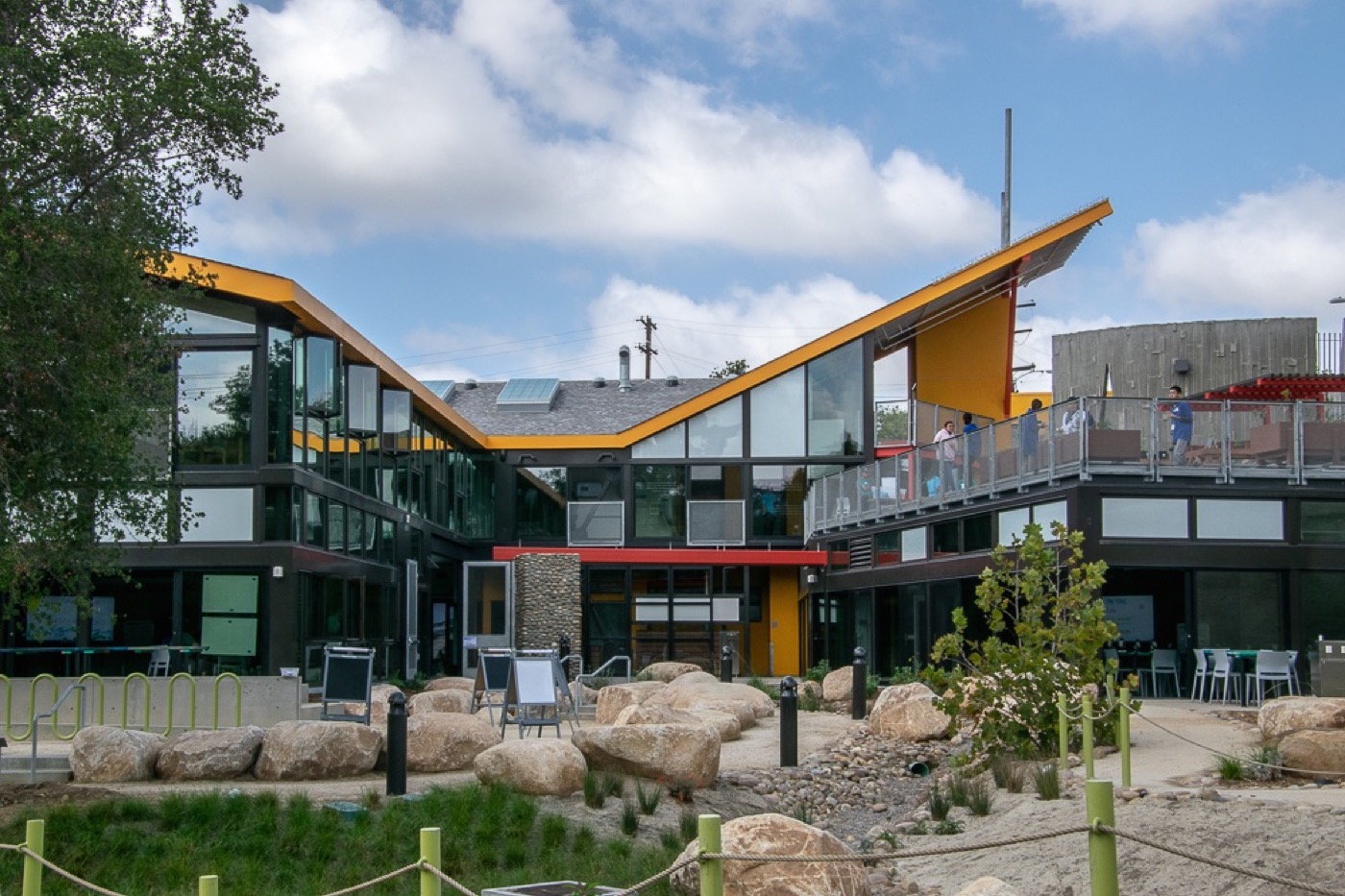
The $17 million Living Lab — from a kayak shack to this
ODI teaches ocean science.
We add ocean capability.
What ODI has built
In 25 years, ODI has gone from a kayak shack in Mission Bay to a $17 million Living Lab in the heart of City Heights — complete with a Scientist-in-Residence studio, live-streaming ocean views, and a Leadership Pathway wall celebrating alumni. You serve 6,000+ students a year across every school in the Hoover cluster. Your Ocean Leaders learn to swim and snorkel, do rocky intertidal research at Cabrillo Tidepools, visit Scripps, travel to Mexico for fieldwork. You've won the Presidential Award. NOAA funds you. Charity Navigator gives you 4 stars. Anai Novoa, Class of 2007, now coordinates summer programs at Scripps and has served on your Science Advisory Council.
I also know the AmeriCorps partnership that funded your teachers ended overnight. That makes what I'm offering more relevant, not less — because LJFC doesn't need ODI's funding. We bring our own instruction, our own insurance, our own gear. What we need from you is what money can't buy: the students and the community trust.
The specific gap we fill
ODI gets kids to the coast and teaches ocean science brilliantly. Your Ocean Leaders already snorkel and do intertidal research. What the program doesn't include — and shouldn't have to build from scratch — is breath-hold diving, surf survival, underwater composure, and advanced in-water capability. That's a specialized athletic discipline requiring AIDA Youth Instructor certification, DAN insurance, and a specific training methodology.
Camp Garibaldi's breath-first methodology starts on land — composure and breathing drills that could begin at the Living Lab — before progressing to open water at La Jolla Shores. For Ocean Leaders who already snorkel, this is the next level. For younger students in summer camp, it's a foundation of water safety and confidence they'll carry for life.
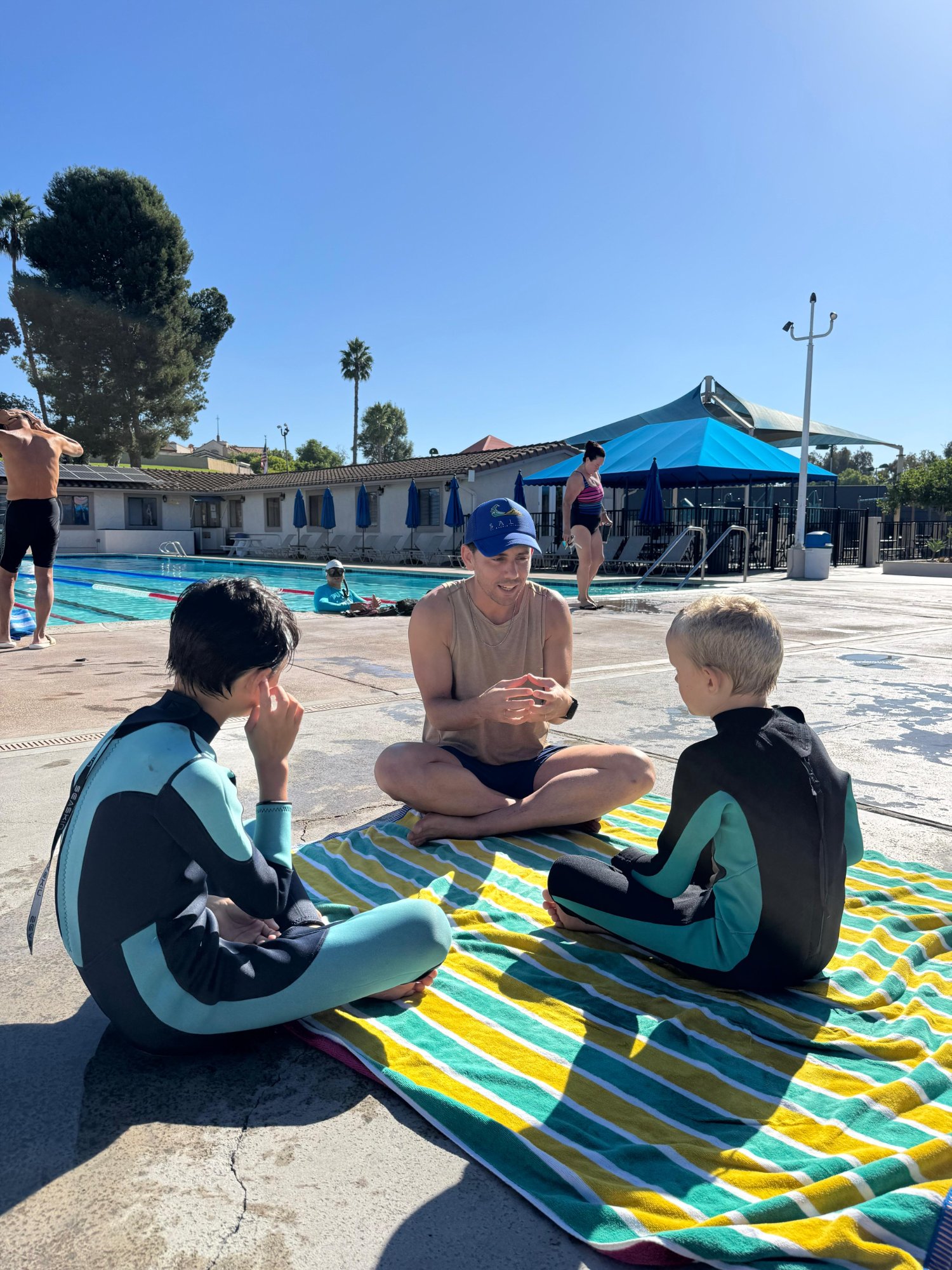
Camp Garibaldi — breath-first ocean education
Breath-hold training is character development.
The science of composure
When a kid holds their breath and feels the urge to breathe, something remarkable happens: their body floods with CO₂, which activates stress circuits in the brain. The urge to panic is real and measurable. But with training, kids learn to recognize that signal, stay calm, and choose their response rather than react. That's not ocean training — that's nervous system regulation. It's the same skill that helps in a test, a conflict, a job interview, or any moment where the pressure is on and the instinct is to freeze or flee.
The mammalian dive reflex — the same response that allows seals and dolphins to dive — triggers automatically in every human: heart rate drops, peripheral blood vessels constrict, the body conserves oxygen. Kids learn that their bodies are built for this. That biological truth becomes a foundation for confidence that no pep talk can match.
What it builds in kids
Courage through incremental challenge. Every breath hold is slightly longer than the last. Every dive is slightly deeper. Kids learn to sit with discomfort, push their edge, and expand what they thought was possible — in a controlled, safe environment with a trained instructor beside them.
Trust and partnership. Freediving is a buddy discipline. One person dives, the other watches. You are responsible for someone else's safety, and they are responsible for yours. That mutual accountability is built into every session from day one.
Self-knowledge through physiology. Kids learn what happens in their body under stress — rising CO₂, diaphragm contractions, heart rate changes — and they learn it's not something to fear. It's information. That reframe changes how they relate to pressure everywhere.
Ocean competence is a life skill.
Kids who are confident in the ocean are safer in the ocean. They become surfers, divers, marine biologists, lifeguards, conservationists. But that confidence has to be built — and right now, it's mostly built by families who already have access.
Six ways to build this together.
Ocean Leaders — Freediving as a STEM Skill
Ocean Leaders starts the summer before 9th grade with a 12-day Bridge program. The following summer, students learn to swim and snorkel, visit Mexico for fieldwork, and interact with sea life. In 9th grade, they do rocky intertidal research at Cabrillo Tidepools. Freediving is the natural next step in this progression — it takes students who can already snorkel and gives them breath-hold capability, equalization skills, and the ability to observe below the surface. An AIDA certification is internationally recognized and directly applicable to marine science careers. We'd offer sponsored AIDA certification for Ocean Leaders as part of their 10th or 11th grade summer intensive.
Out-of-School Summer Module — Ocean Safety & Freediving
ODI already runs week-long summer camps for K-8 with changing themes each year. A "Breath & Ocean" week — co-designed with your curriculum team — could add breath-hold training, surf survival, and underwater confidence to the rotation. We bring the in-water instruction and all gear. ODI provides the students, the community relationships, and the educational framework. Dry sessions (breathing drills, ocean data literacy) could happen at the Living Lab. Ocean days happen at La Jolla Shores.
"First Ocean Day" — Single-Day Pilot
The lowest-commitment way to start. One Saturday, ODI brings a group of students to La Jolla Shores for a guided ocean experience: tide pool exploration, shallow water snorkeling, species identification, and introductory breath-hold exercises. No certification, no pressure — just a day in the ocean with professional guidance and all gear provided. We see how the kids respond, what works, and what to adjust before building anything bigger.
Joint Grant Applications
ODI already receives NOAA B-WET funding and has relationships with California Coastal Conservancy, San Diego Foundation, and Price Philanthropies. Beyond your existing funders: the Lilly Endowment just awarded the American Camp Association $45.5 million for character development at camps — with individual grants of $50,000 to $300,000 available to nonprofit camps serving underrepresented youth. Freediving is uniquely suited to character development: composure under pressure, incremental courage, trust through the buddy system, and self-knowledge through physiology. ODI's 501(c)(3) status and track record combined with LJFC's specialized curriculum makes a compelling application.
Character Development Through the Ocean
This is the deeper opportunity. Breath-hold training isn't just a physical skill — it teaches kids to sit with discomfort, manage panic responses, build tolerance incrementally, and trust a partner with their safety. Every breath hold is a controlled encounter with your own limits. The ACA's Character at Camp initiative specifically funds programs that develop perseverance, responsibility, and willingness to try new things — that's a freediving session described in developmental language. With ODI's expertise in youth development and LJFC's methodology, we could build a character development curriculum grounded in ocean science and breath-hold physiology that doesn't exist anywhere else.
STEM Career Pathway — Marine Fieldwork
ODI alumni are entering biotech, environmental consulting, fisheries, marine biology, and public policy. Your Ocean Leaders already do rocky intertidal research at Cabrillo Tidepools in 9th grade. Freediving extends that — giving students the ability to observe below the surface, collect data underwater, and build a skill that's rare and valuable in marine science. The pathway: Ocean Leaders introduction in high school → AIDA certification → citizen science data collection at the La Jolla marine reserve → college application with documented underwater fieldwork. Anai Novoa went from ODI Class of 2007 to Summer Programs Coordinator at Scripps and a seat on your Science Advisory Council. Imagine an Ocean Leader who arrives at Scripps already AIDA-certified and with a portfolio of underwater observations from the La Jolla canyon.
Camp Garibaldi — the ocean camp
that starts from the inside out.
Named after the garibaldi — California's state fish, bright orange, impossible to miss, and fiercely protective of its territory. Camp Garibaldi teaches kids to be that confident in the water. A week-long program for ages 8–16 that builds breath control, ocean awareness, and real capability before kids ever put a mask on.
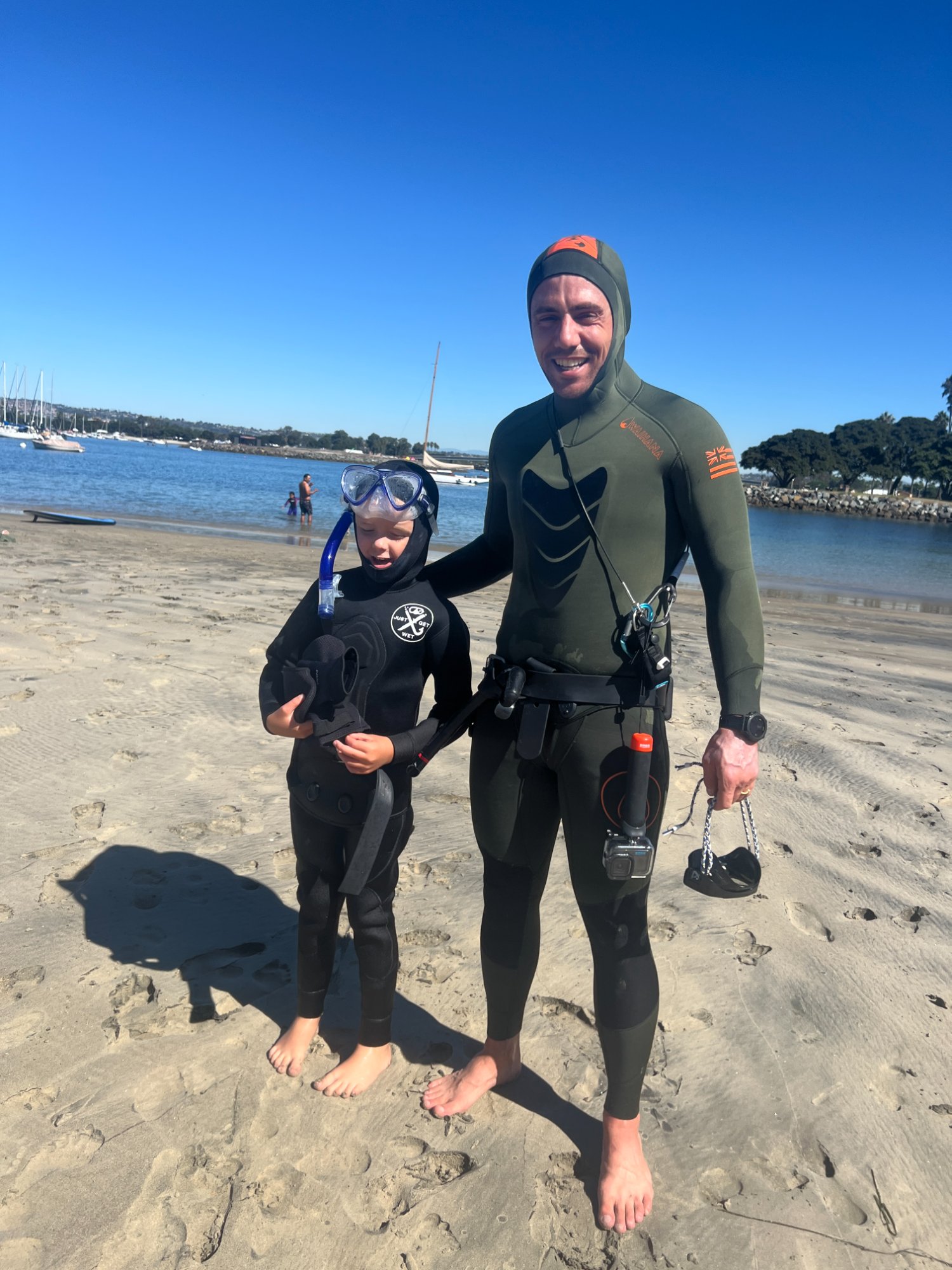
From nervous about waves to confident in the ocean
Everything except the students.
ODI brings community trust, student relationships, and organizational infrastructure. Here's what we bring to match it.
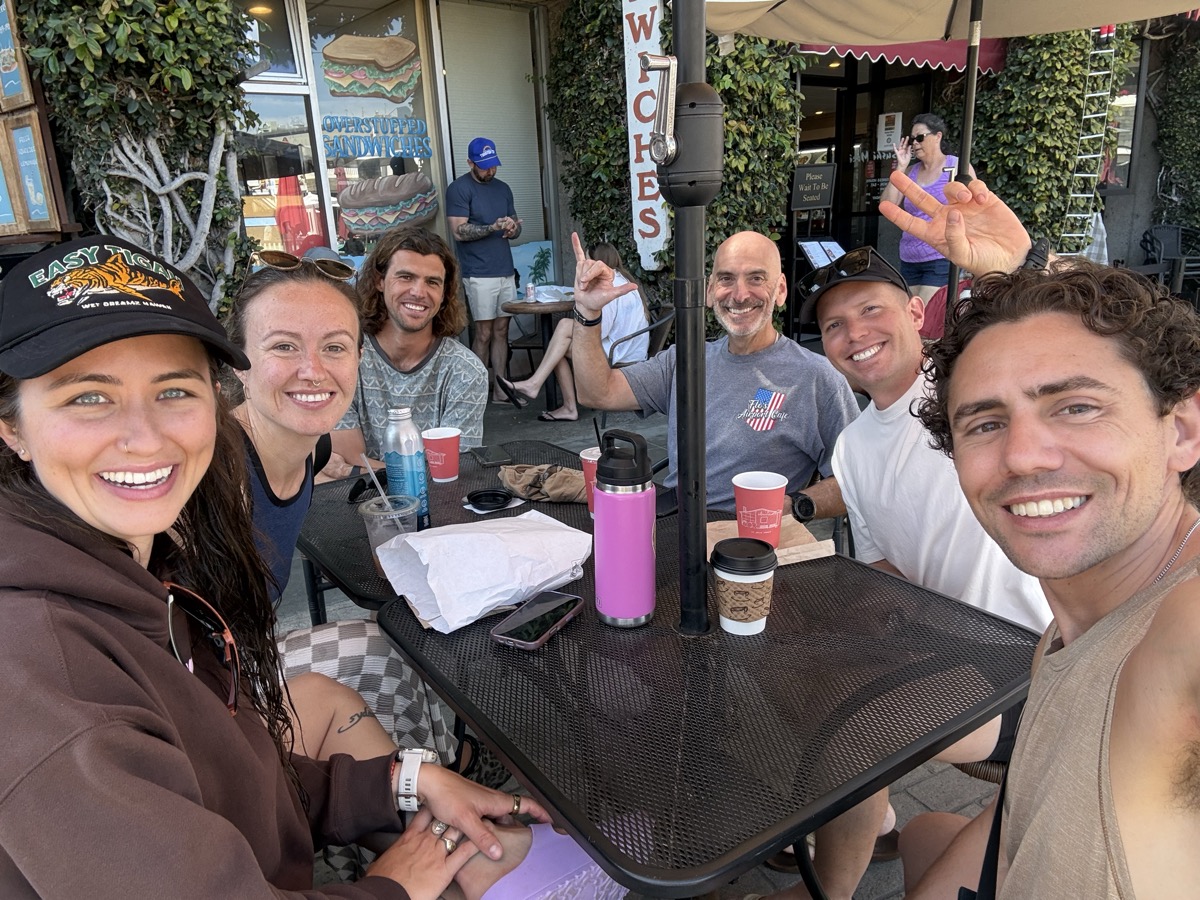
The community behind the program
Who we are.
Start with one group, one Saturday.
Bring a group of ODI students to La Jolla Shores for a guided ocean day. We provide the gear, the instruction, and the safety. You provide the kids and the trust. If it works, we build from there. Or, if you'd prefer to see the work firsthand: I'd love to apply for your Scientist-in-Residence program and spend a week at the Living Lab — teaching breath-hold physiology, running breathing exercises with students, and showing how the mammalian dive reflex connects every marine mammal in the ocean to the kids in the room.
Let's get kids in the waterlajollafreediveclub.com/education · lajollafreediveclub.com/map